Seeking qualified pilot sites, infrastructure partners and strategic investors.
Hydraulic energy recovery

Recovering Energy From Water, Pressure and Industrial Flow

Farad Energy Systems evaluates technologies designed to recover useful electricity from existing hydraulic energy in water, wastewater and industrial infrastructure.

Recover existing energy. Validate performance. Build practical infrastructure partnerships.

A Practical Approach to Energy Recovery

At a technically suitable site, hydraulic energy-recovery equipment may convert a portion of an existing pressure drop, gravity flow or elevation change into useful electricity.

  • Does the site contain hydraulic energy that already exists and is currently being reduced or wasted?
  • We do not recommend creating additional pumping pressure solely to operate a generator.
  • Every project is evaluated for net energy, safety and reliability.
Learn About Our Engineering Approach

Water-Cycle Power Generation System

Convert existing hydraulic energy into electricity.

⚑
Up to 20 kWGenerating capacity
β—·
Up to 480 kWh per dayPotential production
β–£
Up to 175,200 kWh per yearPotential annual production
πŸ’§
Up to 26.4 million gallons per dayPotential water volume
Industrial energy equipment

Where the Technology May Be Evaluated

Aerial wastewater infrastructure

Why Wastewater Is Our Initial Focus

Wastewater plants operate 24/7, often have continuous flows and contain infrastructure where hydraulic energy may be reduced or wasted.

Explore Wastewater Opportunities
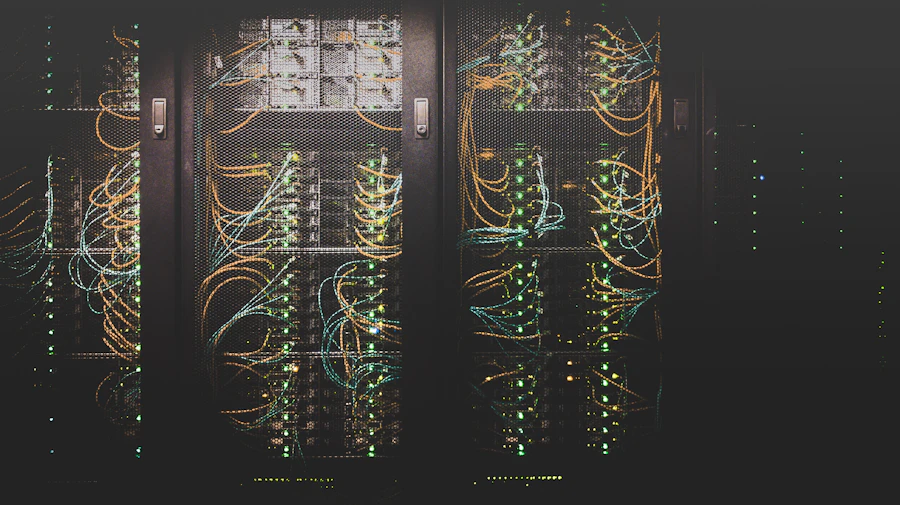
Data center corridor

Data Center Partnerships

The best opportunities may connect data centers with supporting water or reclaimed-water infrastructure where hydraulic energy already exists.

Explore Data Center Partnerships β†’

Three Technologies. Different Stages of Development.

Water cycle equipment
Primary commercial focus

Water-Cycle Power Generation System

Designed to recover electricity from existing hydraulic energy in water and wastewater infrastructure.

Explore the System β†’
Mechanical generator equipment
Technology under evaluation

Magnetic-Levitation Centrifugal Generator

External energy source, mechanical input and independently measured net output must be documented.

Review the Validation Plan β†’
Commercial truck
Technology under evaluation

Vehicle-Mounted Wind Concentrator

Independent testing must confirm that electrical output exceeds added drag, weight and operating effects.

View the Testing Roadmap β†’

From Site Screening to Measured Results

FARAD is seeking qualified water and wastewater partners for controlled technical evaluations.

1

Preliminary Screening

Review flow, pressure, elevation and operating conditions.

2

Hydraulic Assessment

Identify where usable energy may currently be dissipated.

3

Engineering Review

Evaluate expected output, pressure loss, safety and bypass requirements.

4

Pilot Installation

Measure generator performance and effects on the existing water system.

5

Performance Review

Document net electricity production and operational results.

Invest Capital. Contribute Access. Help Build the Market.

Farad Energy Systems welcomes financial investors and gives preference to strategic investors who can contribute both capital and relevant industry relationships.

πŸ’§
Water & Wastewater
β–¦
Data Centers
βš™
Engineering
πŸ›
Government
🏭
Industrial
βœ“
Testing
$
Project Finance

Ideal Pilot Partners and Site Qualifications

A credible pilot begins with documented operating conditions, a safe installation approach and a measurement plan focused on net performance.

An ideal pilot facility has:

  • Continuous or predictably scheduled water flow
  • Documented pressure, flow and elevation information
  • A known pressure reduction, gravity flow or hydraulic head
  • Space for installation, controls and a safe bypass
  • Electrical interconnection access
  • Engineering personnel available to support evaluation
  • Permission to collect and document performance data

Information requested during screening:

  • Facility name, location and operating schedule
  • Average and peak water flow
  • Upstream and downstream pressure
  • Available hydraulic head or elevation change
  • Pipe diameter, water quality and temperature
  • Existing pressure-reducing equipment
  • Electricity rate and proposed installation location
A pilot should measure water-system effects, auxiliary electricity, pumping impacts, uptime, maintenance and net electrical productionβ€”not only gross generator output.

Who FARAD Wants to Work With

FARAD is building relationships across infrastructure, engineering, research and capital markets.

πŸ’§

Utilities & Public Infrastructure

Wastewater utilities, drinking-water authorities, reclaimed-water providers, public works departments and regional sewer authorities.

βš™

Engineering & Construction

Civil and mechanical engineers, EPC firms, water consultants, commissioning firms and industrial integrators.

β–¦

Data Centers & Digital Infrastructure

Campus developers, critical-facilities teams, water-infrastructure leaders, sustainability teams and utility-strategy groups.

βœ“

Research & Validation

Independent laboratories, universities, product-certification organizations, hydraulic test facilities and electrical safety laboratories.

Water flowing through a rocky stream

Engineering Fundamentals Before Commercial Claims

Farad Energy Systems is focused on connecting promising energy-recovery technologies with facilities that have appropriate operating conditions.

1
Identifiable energy source
2
Net energy matters
3
Use existing energy
4
Independently measured
5
Validation before commercialization
About Farad Energy Systems β†’

News & Updates

Use this section for pilot milestones, technical-validation updates, partnerships, events and company announcements.

Engineers reviewing industrial equipment
Pilot development

Seeking Qualified Hydraulic-Energy Pilot Sites

FARAD is evaluating candidate wastewater, reclaimed-water and industrial facilities with existing pressure or elevation energy.

Submit a candidate site β†’
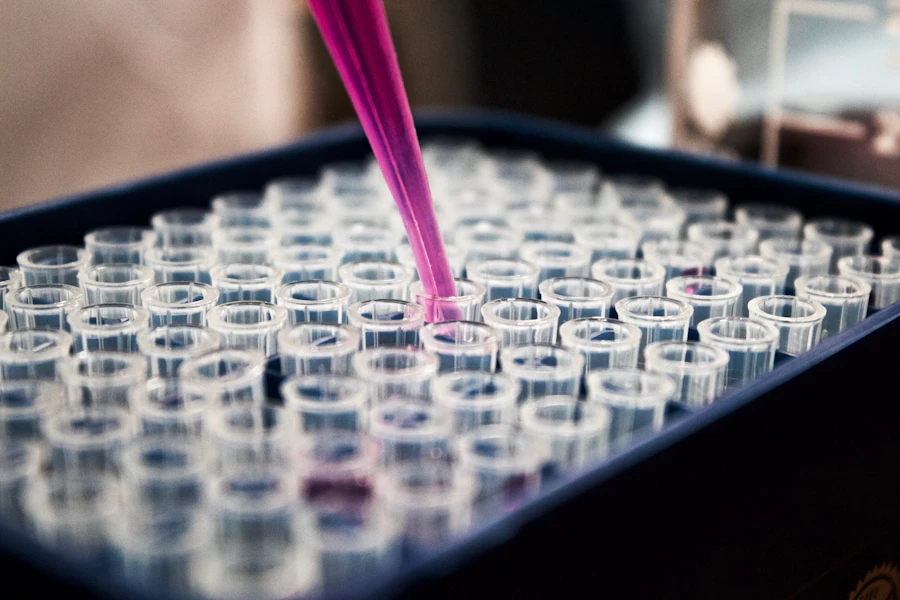
Technical laboratory equipment
Technical validation

Independent Measurement Before Commercialization

Performance claims should be supported by documented input energy, auxiliary loads, net output and site-specific operating data.

Review technologies under evaluation β†’
Infrastructure partnership meeting
Strategic partnerships

Building Utility, Engineering and Investor Relationships

FARAD welcomes partners who can support introductions, pilot development, engineering, testing, manufacturing or project finance.

Explore strategic participation β†’

Frequently Asked Questions

Answers to common questions from utilities, engineers, data-center partners, pilot hosts and investors.

How does the water-cycle power generation system work?
It is intended to convert a portion of existing hydraulic energy into electricity where water is already moving with usable pressure, hydraulic head or elevation change. Site-specific engineering is required to determine whether sufficient recoverable energy exists.
Does water flow alone guarantee electrical production?
No. Recoverable power depends on flow, pressure, pressure reduction, hydraulic head, elevation, pipe configuration and equipment efficiency. A large water volume without usable pressure or elevation energy may not be suitable.
Would FARAD recommend adding a turbine to an electrically pumped loop?
Not without a full net-energy analysis. If additional pumping pressure must be created solely to drive a generator, the installation may consume more energy than it produces.
Which facilities are the strongest initial candidates?
Wastewater-treatment plants, pressure-reducing stations, gravity-fed pipelines, elevated-storage discharge, reclaimed-water networks and industrial water systems with continuous flow and an existing pressure or elevation drop.
Is the water-cycle system a general power source for data centers?
No. The most credible data-center opportunities are expected to involve municipal or reclaimed-water infrastructure serving a campus, where hydraulic energy already exists outside a conventional electrically pumped cooling loop.
What does a credible pilot project measure?
Flow, upstream and downstream pressure, hydraulic head, generator output, auxiliary electricity, pumping impacts, downtime, maintenance and net electricity production.
Are the magnetic-levitation and vehicle-mounted technologies commercially validated?
They are presented as technologies under evaluation. Their input energy, net output, operating effects, safety, durability and independent test results should be established before broad commercialization.
How can an organization request an evaluation?
Provide the facility type, location, available flow and pressure information, elevation conditions, operating schedule, pipe size and an engineering contact through the site-evaluation inquiry.
What type of investors is FARAD seeking?
FARAD welcomes financial investors and particularly values strategic investors with credible relationships in water infrastructure, data centers, engineering, government, industrial facilities, testing, transportation or project finance.
Does FARAD guarantee output, savings, customer contracts or investment returns?
No. Performance, compatibility and economics remain subject to engineering review, independent validation, operating conditions and written agreements. Commercial introductions and investment participation do not guarantee contracts, approvals or returns.

Does Your Facility Have Recoverable Hydraulic Energy?

A preliminary review can help determine whether your facility or network may contain a technically suitable energy-recovery opportunity.

Latest News & Updates

Pilot development, technical validation, partnerships, events and company announcements.

Engineers reviewing industrial equipment
Pilot development

Seeking Qualified Hydraulic-Energy Pilot Sites

FARAD is evaluating candidate wastewater, reclaimed-water and industrial facilities.

Read update β†’
Technical laboratory equipment
Validation

Independent Measurement Before Commercialization

Performance should be supported by documented input energy, auxiliary loads and net output.

Review validation β†’
Infrastructure partnership meeting
Partnerships

Building Utility, Engineering and Investor Relationships

FARAD welcomes strategic partners who can support technical and commercial development.

Explore participation β†’
Request Evaluation